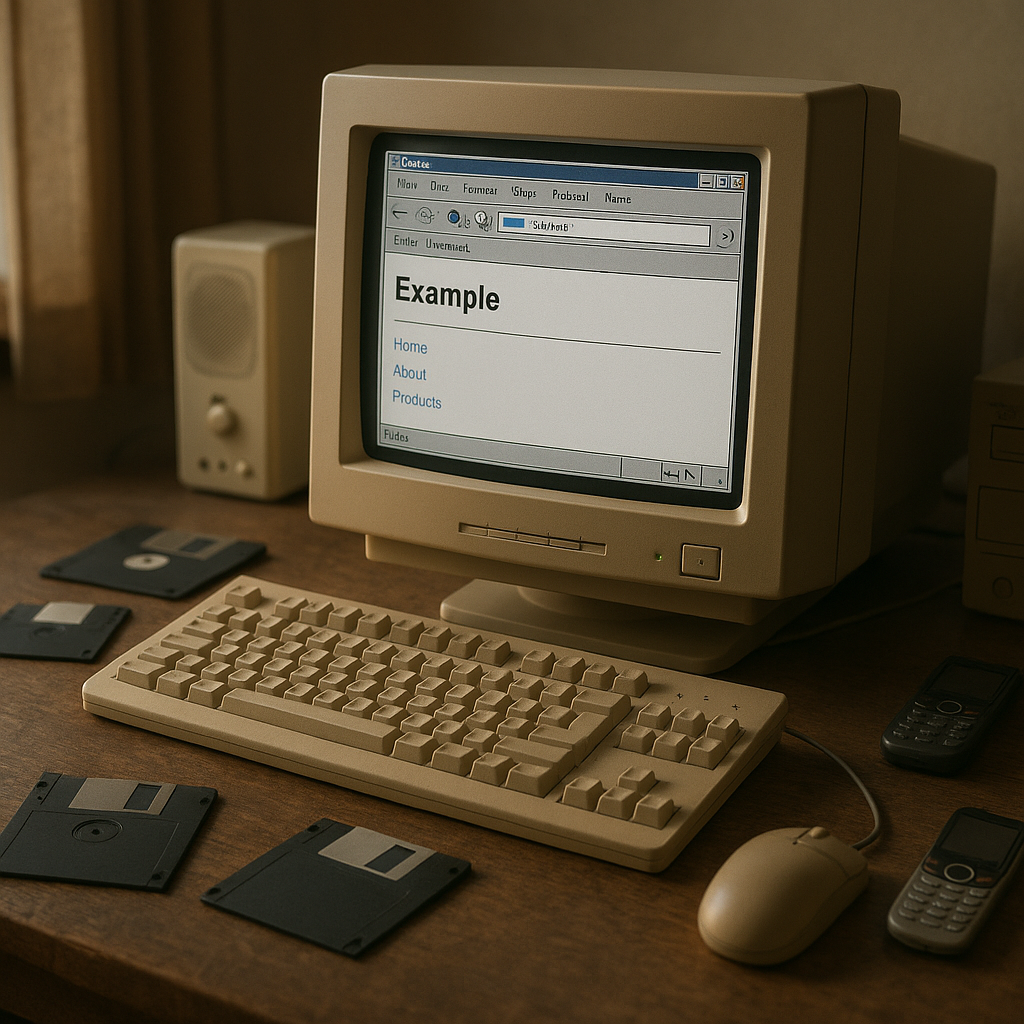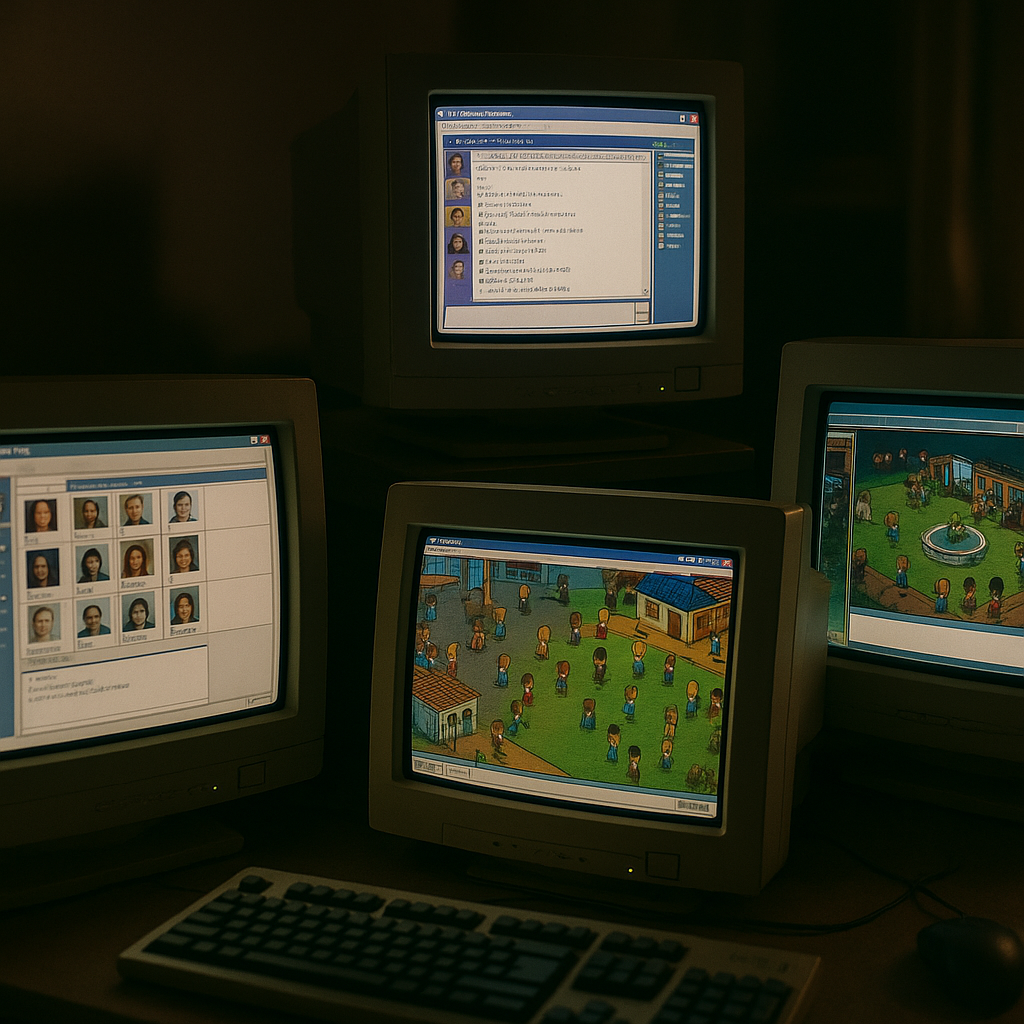
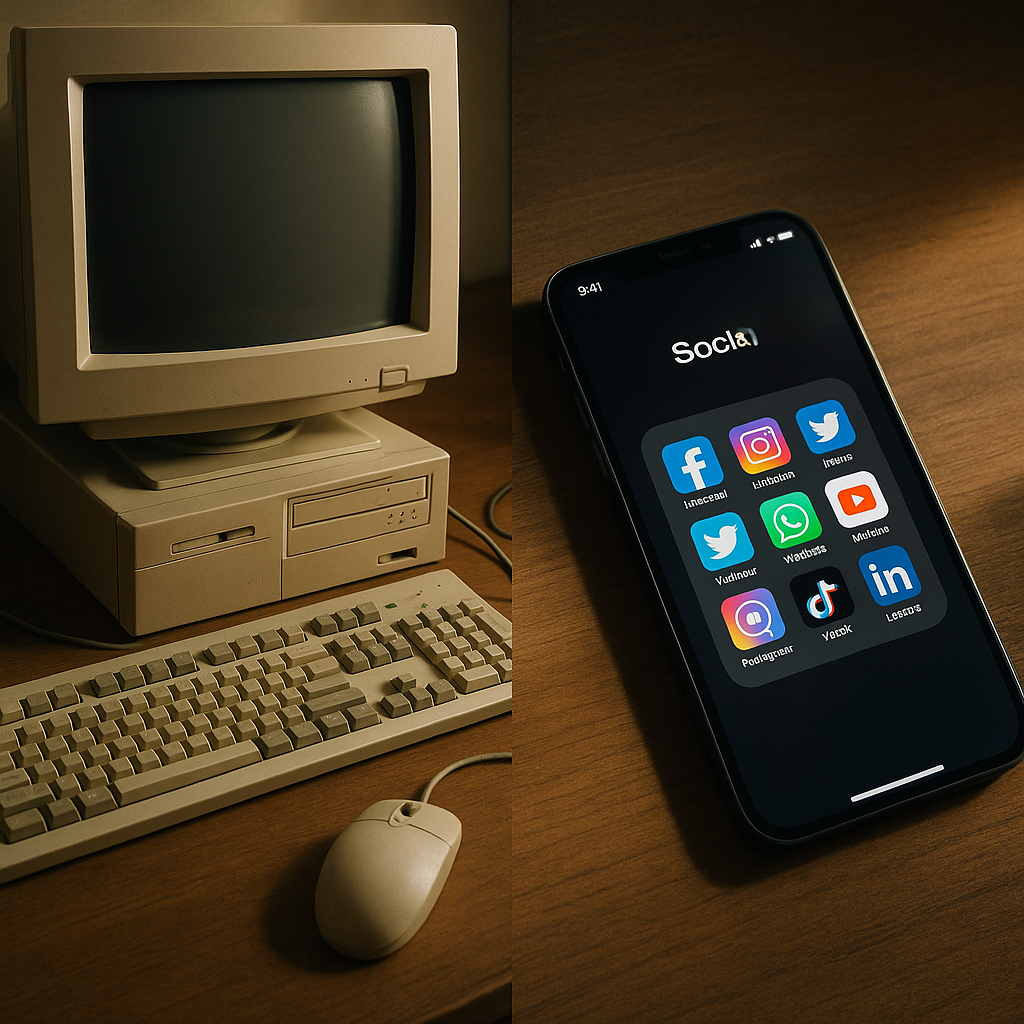
It is impossible to talk about social media nostalgia without Myspace. For many early internet users, it was the first place they built an online identity, argued over a Top 8, and learned basic coding without even realising it. Today, that era feels distant, yet it still shapes how we remember – and use – the web.
When Myspace ruled the early social web
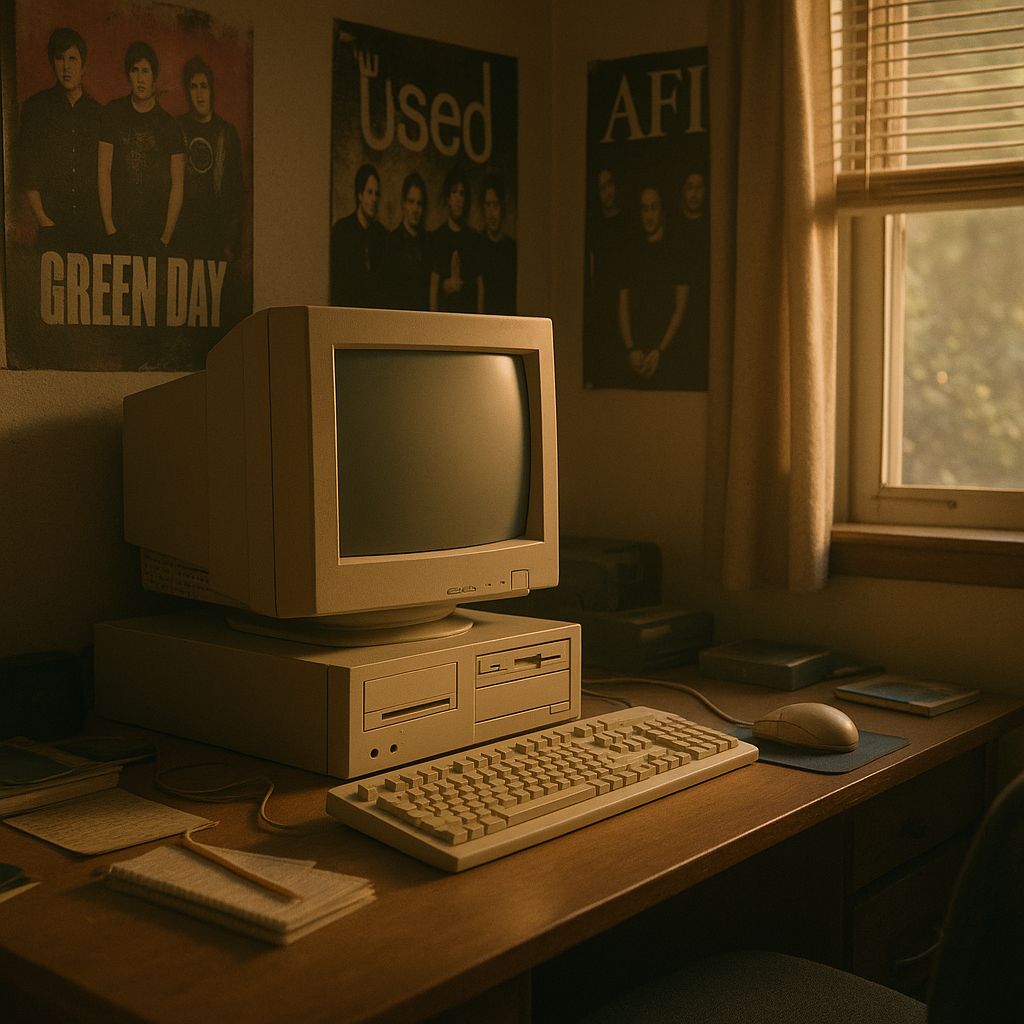
Launched in 2003, Myspace quickly became the cultural heartbeat of the mid 2000s internet. It was chaotic, noisy and gloriously personal. Profiles were drenched in glitter graphics, autoplay music and tiled backgrounds. Unlike the cleaner platforms that followed, Myspace encouraged experimentation. You could break your layout with a stray bit of HTML, then spend hours fixing it.
Music was central. Bands used Myspace as a digital flyer, a demo tape and a fan club all at once. Many people discovered their favourite artists through embedded players and friend recommendations. This fusion of social networking and music discovery is a big reason Myspace still looms so large in memory, even for those who have not logged in for years.
Why social media nostalgia is so powerful
The pull of those early platforms is about more than old layouts. At its core, social media nostalgia is tied to a specific moment in personal history. Myspace coincided with formative years for millions of users: first friendships, first relationships, first attempts at self expression online. When people remember custom cursors and emo song lyrics on profiles, they are really remembering who they were at the time.
There is also a sense of lost freedom. Early social networks felt less polished and less monitored. Algorithms were simpler, timelines more chronological, and commercial influence less obvious. Looking back, users often contrast that relative looseness with the highly optimised feeds of modern platforms, where every interaction feels measured.
From Myspace aesthetics to retro internet trends
The visual language of the Myspace era has quietly returned. Pixel art, glitter text, low resolution photos and clashing colours have resurfaced across current platforms. Designers and creators deliberately reference early web aesthetics, leaning into what once looked amateurish.
This revival is not accidental. Younger users who never had a Myspace account treat mid 2000s internet style as a kind of digital vintage. For older users, it is a way of revisiting a more experimental web. The result is a shared visual shorthand that bridges generations, all rooted in memories of custom profiles and auto playing tracks.
Archiving a disappearing social past
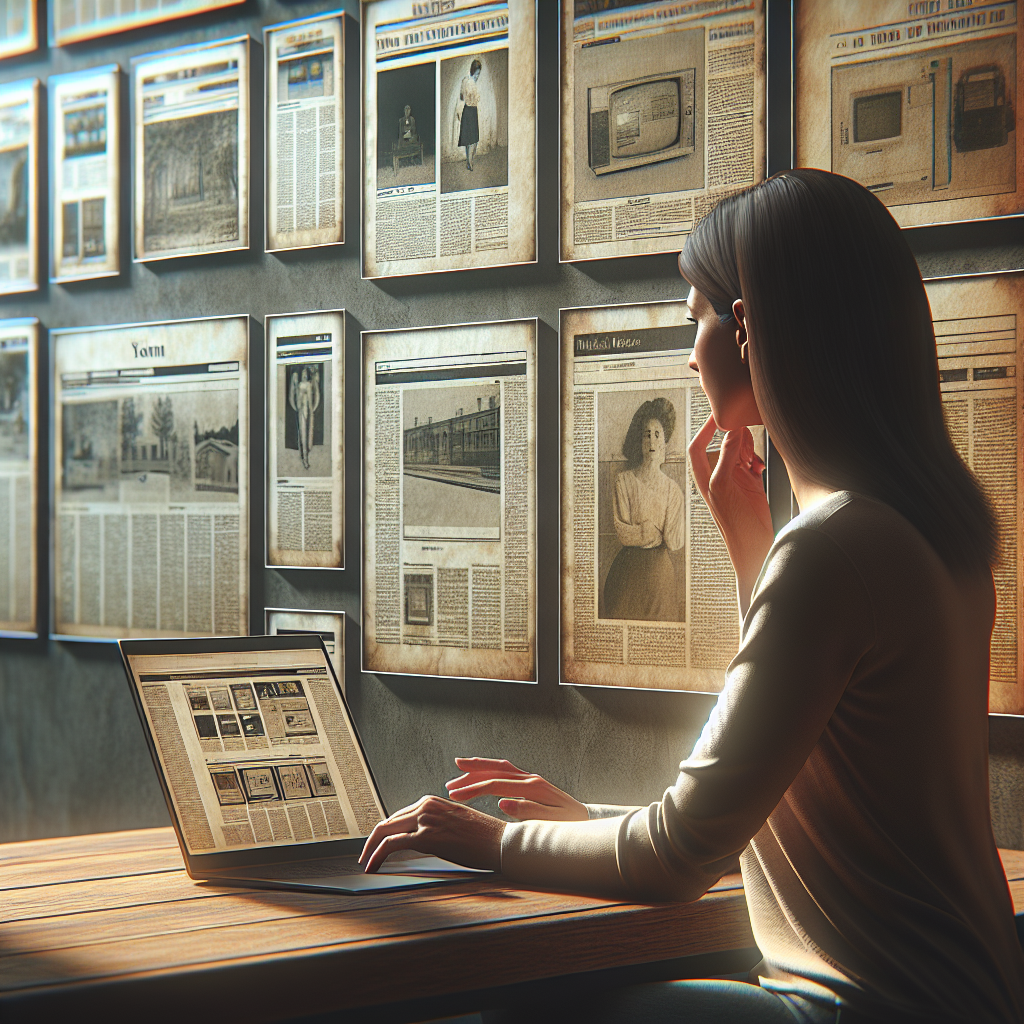
One of the strangest parts of looking back on Myspace is how much has vanished. Entire profiles, photos and songs have been lost to redesigns, server issues and forgotten passwords. Unlike physical photo albums, early social lives were stored on platforms that could change or disappear without warning.
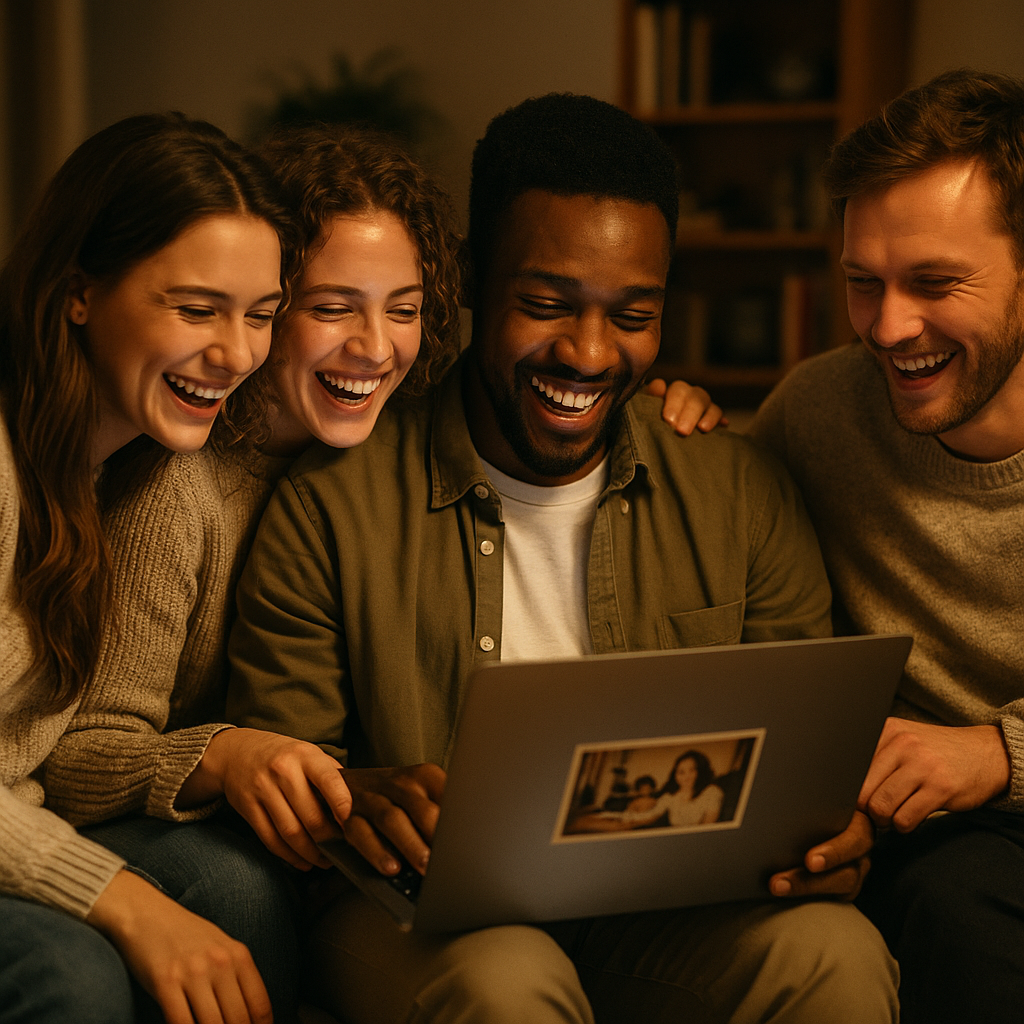
This has sparked a growing interest in digital preservation. Web historians, archivists and curious users now hunt for old screenshots, saved profile layouts and surviving accounts. Even a single active profile can feel like a time capsule, a reminder of how people once presented themselves online. In this context, stumbling across a last remaining active user profile can feel like discovering a living museum exhibit.
How platforms now market nostalgia
Modern networks have learned to tap into these feelings. Throwback features, memory reminders and “on this day” prompts encourage users to revisit older posts and photos. Platforms benefit when people feel emotionally tied to their past content, as it keeps them engaged and less likely to leave.
At the same time, users have become more reflective about their digital footprints. The contrast between a messy Myspace profile and a carefully curated modern feed raises questions about authenticity. Were we more genuine when we plastered our pages with song lyrics, or simply less aware of our audience?
The future of remembering the web
As new generations grow up on short form video and private group chats, their own version of social media nostalgia will eventually emerge. The platforms will be different, but the feelings will be familiar: a mix of embarrassment, affection and curiosity about who they once were online.
Social media nostalgia FAQs
Why do people feel nostalgic about old social networks like Myspace?
People associate early social networks with formative life stages, such as school years and first friendships, so the platforms become tied to powerful personal memories. The rough, experimental feel of older sites also contrasts with the polished nature of modern apps, making the past seem more free and less controlled.
Is there any way to recover an old Myspace profile?
In some cases, you can still attempt to log in using an email address linked to your old account, then reset the password. However, even if you regain access, much of the original content may be missing due to redesigns, data loss and changes to how the platform stores media.
How has social media nostalgia influenced modern online design?
Social media nostalgia has helped revive early web aesthetics such as pixel art, glitter graphics and bold, clashing colours. Designers and creators reference these styles to evoke a sense of playfulness and retro charm, and to distinguish their work from the minimalist look that dominated later years.