

The Birth of a Connected World
The history of the internet is a story of innovation, collaboration and cultural change. Its roots stretch back to research projects in the 1970s and 1980s that explored new ways for computers to communicate. One of the most important developments was ARPANET, a project funded in the United States that introduced the idea of packet switching. This concept allowed information to be broken into smaller packets and delivered across a network of machines. Although experimental at first, it laid the foundation for what would become the modern internet.

By the early 1980s, the development of TCP and IP created a universal way for computers to talk to each other. These protocols still underpin almost every modern device that connects to the web. As universities, research centres and governments adopted the technology, the network began to grow into something recognisable today.
The Rise of the World Wide Web
The next major milestone came in 1989 when Tim Berners-Lee proposed the World Wide Web. His goal was to create a system that allowed researchers to share documents using hyperlinks. By 1991 the first website was online, and within just a few years public interest exploded. Browsers like Mosaic and Netscape made the web accessible, visual and far more user-friendly.
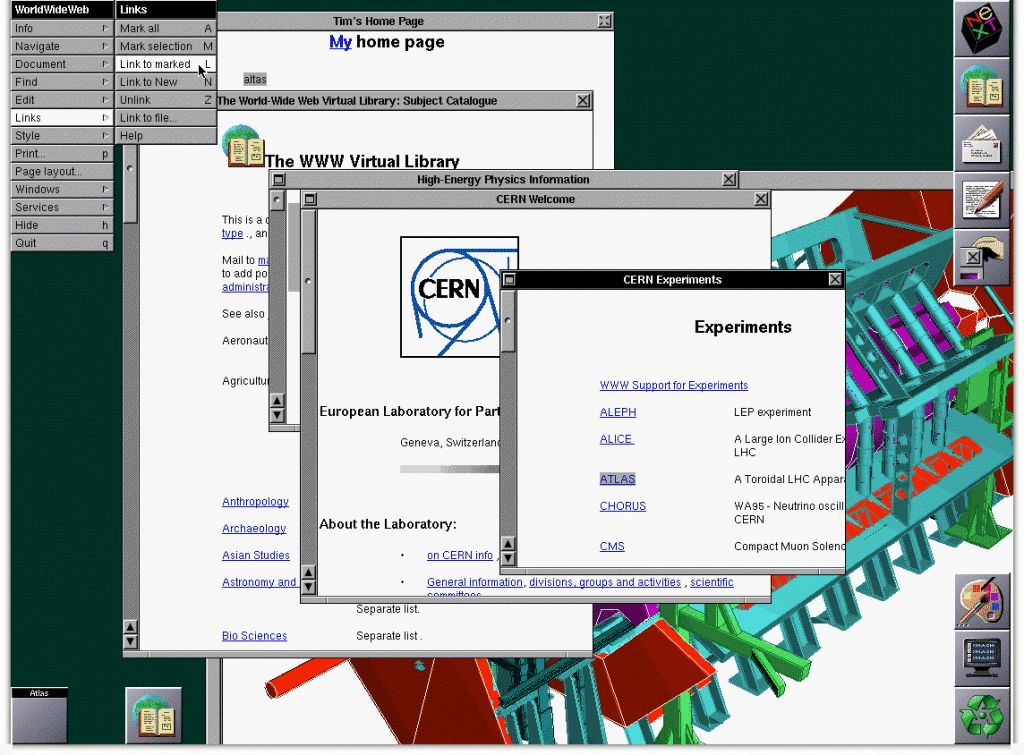
Suddenly the internet was no longer a tool only for researchers. It was becoming a global information space. Early users began building personal home pages, sharing knowledge and experimenting with new forms of expression.
The Dot-Com Boom and Bust
The mid to late 1990s saw astonishing growth. Businesses raced to secure domain names, investors poured money into online ventures and the first wave of digital companies arrived. Search engines, e-commerce platforms and online communities emerged at speed.

However, by 2000 the bubble burst marking the first major blight in the history of the internet. Many companies had been built on excitement rather than sustainable planning. The market crashed, thousands of businesses closed and investment slowed. Yet this difficult period paved the way for the stronger, more resilient internet economy that would emerge in the years ahead.
The Golden Age of Online Communities
Despite the crash, the 2000s became a defining cultural era for the internet. Platforms like GeoCities gave millions of people their first experience of building a website. Users could choose themes, customise layouts and create pages that expressed their personalities.
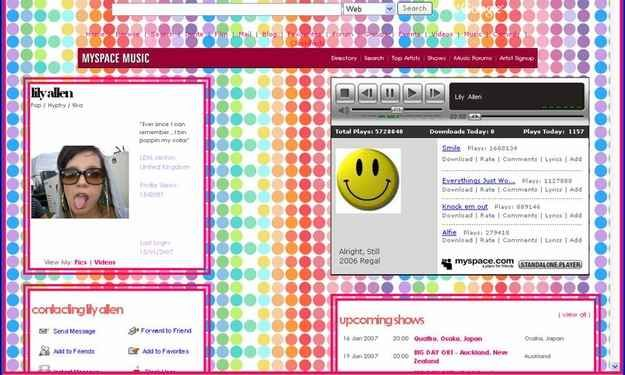
Then came MySpace, which reshaped social networking before Facebook rose to dominance. MySpace allowed users to personalise profiles, connect with friends and discover new music. It gave early internet culture a unique look and sound that many still remember fondly.
These platforms highlighted the shift from passive browsing to active participation. People were no longer just reading the internet. They were helping build it.
Web 2.0 and the Interactive Internet
By the mid 2000s the term Web 2.0 emerged. It described a new generation of websites that encouraged interaction, sharing and collaboration. Blogging platforms grew rapidly, video sharing sites took over the entertainment world and social networks redefined communication.

The internet became dynamic and user focused. Content was created, updated and shared at incredible speed. This period also saw major improvements in website performance and reliability, which helped businesses move online with more confidence.
Modern companies knew they needed fast, secure and stable hosting to support growing traffic. Services such as reliable web hosting made it easier for businesses to build a strong online presence without worrying about technical complications. This shift supported the digital transformation that continues today.
The Mobile Revolution
Smartphones changed the history of the internet, forever. When devices like the iPhone and Android handsets arrived, the internet became portable and always available. Apps created new ways to shop, communicate and learn, while social media became central to everyday life.
Speed, convenience and connectivity became the new expectations. Websites had to load quickly and adapt to smaller screens. Businesses that failed to keep up risked losing customers to more mobile friendly competitors.
The Internet Today and the Future Ahead
The modern internet is shaped by cloud computing, artificial intelligence, fibre networks and global connectivity. Billions of people use it every day for work, entertainment, learning and communication. Entire industries now rely on digital infrastructure.
Looking forward, the future of the internet may include more immersive virtual environments, even faster broadband, widespread AI tools and new forms of decentralised services. What started as an academic experiment has become the backbone of modern society.
I wonder what the next phase in the history of the internet will be!
FAQs about the History of the Internet
What was the original purpose of the internet?
The early versions of the internet were created to help researchers share data and ensure communication could continue even if parts of the network failed. Over time it expanded to support wider academic and public use.
When did the World Wide Web become publicly available?
The first website went live in 1991. Public use increased throughout the early 1990s once browsers like Mosaic and Netscape made it easier to navigate and view content.
Why was the dot-com crash important?
Although many businesses collapsed, the crash matured the industry. It encouraged stronger business models, improved infrastructure and laid the groundwork for the digital services we rely on today.
History of the Internet Timeline Graphic
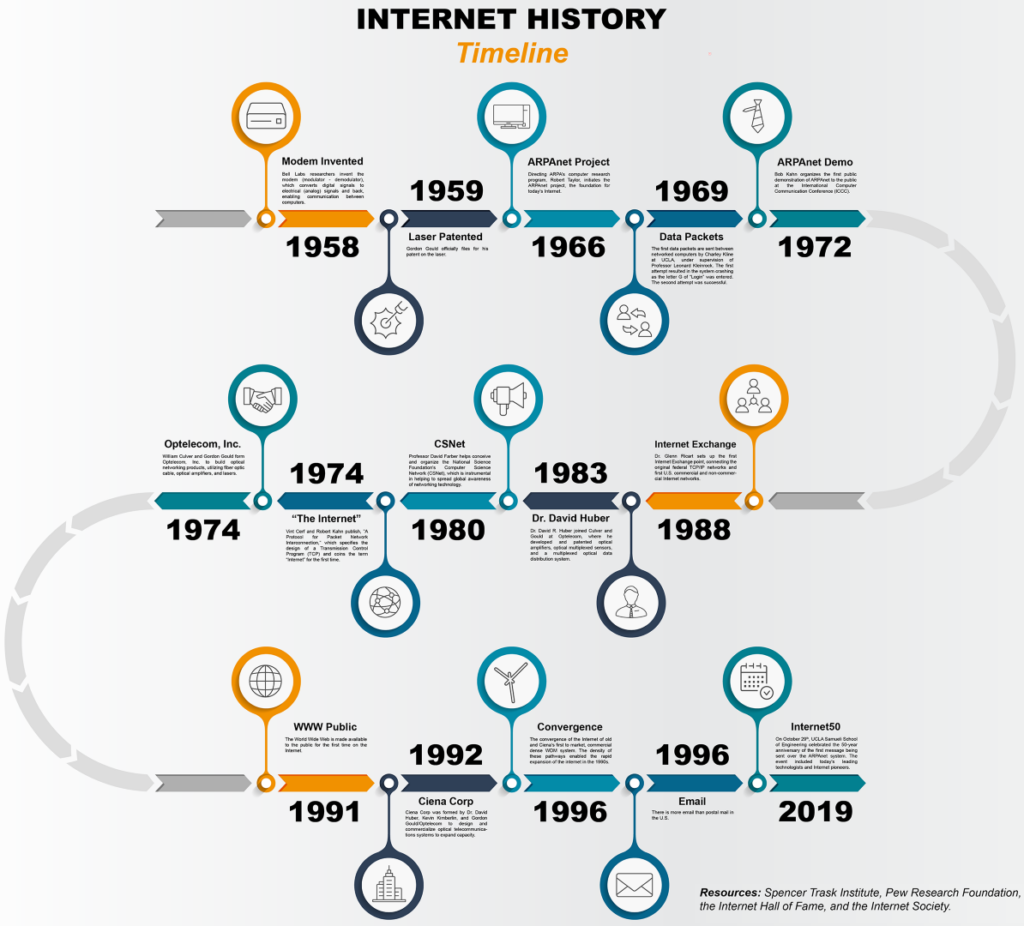
Thank you for reading our article about the history of the internet.
~ The Web Historian