
If you want to understand early online community life, you have to walk through the history of classic message boards. Before timelines and algorithms, there were flat lists of threads, avatars the size of postage stamps, and moderators who felt more like village elders than platform staff.
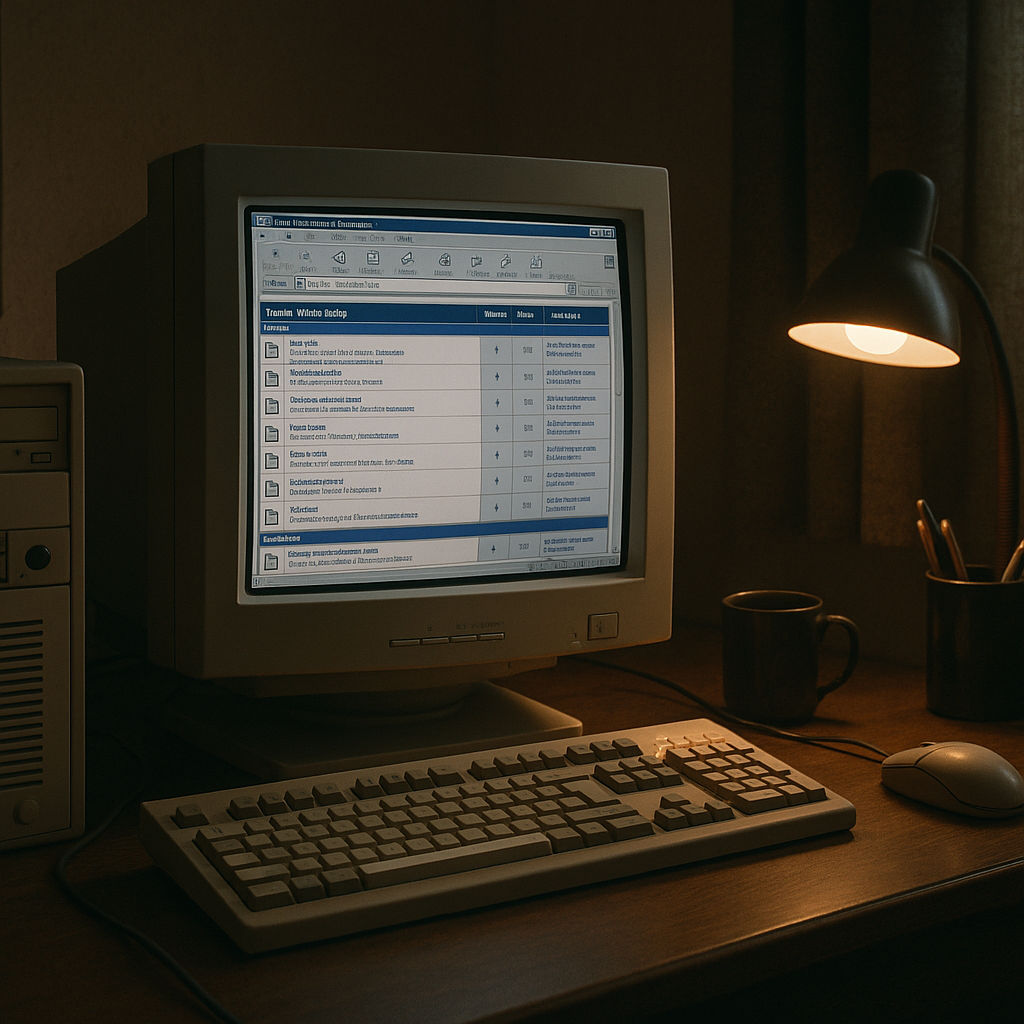
The history of classic message boards begins with dial-up echoes
The story really starts with bulletin board systems, or BBSes. In the 1980s and early 1990s, these were often a single computer in someone’s spare room, connected to a phone line. You dialled in, one person at a time, and left messages in text-only forums. Every BBS had its own flavour: some were devoted to local clubs, others to roleplaying games or underground music. The etiquette was shaped by scarcity – phone lines and hard drives were limited – so users learned to be concise, respectful, and to clean up after themselves.
As dial-up became more common and the web arrived, the BBS spirit moved into the browser. Early web forums looked plain, but they carried over that sense of a shared, finite space where everyone could see everyone else’s words. You could almost hear the modem squeal as new posts appeared.
phpBB, vBulletin and the rise of the forum engine
The late 1990s and early 2000s saw the tools of community building standardise. This is where the history of classic message boards becomes recognisable. Software like phpBB, vBulletin, Invision Power Board and SMF turned forums into modular, customisable towns. An admin could rent a bit of web hosting, upload some files, and suddenly they had a bustling square for fans of a band, a game, or an obscure hobby.
These engines shared familiar landmarks: index pages listing categories, threads sorted by latest reply, user profiles with join dates and post counts, and private messages that felt like passing notes behind the scenes. Skins and themes gave each forum its own architectural style. Some were dark and moody, others pastel and friendly, but the floorplan was always similar enough that a seasoned forum-goer could navigate by instinct.
Moderation in the age of village elders
Moderation on these boards felt personal. At the top sat an administrator, often the founder, who paid the bills and set the rules. Below them, moderators patrolled individual sections. Their names glowed in different colours, and their tools were simple but powerful: move, merge, lock, delete, warn, ban.
Unlike modern platforms, there was rarely a distant, faceless policy team. Rules were written in sticky threads, debated openly, and amended as the community grew. A moderator might step into a heated thread like a local constable, remind everyone to “attack ideas, not people”, and split arguments into a separate topic. Repeat troublemakers were not just usernames to be removed, but regulars whose absence would be noticed and discussed.
Because these places felt small, reputation mattered. Users learned to quote properly, avoid derailing topics, and respect the “no politics” or “no spoilers” lines chalked on the virtual pavement. Infractions were often met with public explanations, which quietly taught newcomers how to behave.
How message boards archived knowledge by accident
One of the most remarkable parts of the history of classic message boards is how they became accidental libraries. Forums were built for conversation, not preservation, yet they ended up storing vast amounts of practical and cultural knowledge.
Sticky threads acted like noticeboards: FAQs, guides, and “read this before posting” collections. Long-running “megathreads” documented years of troubleshooting, fan theories, and personal stories. Search functions were clunky, but dedicated users learned advanced tricks, using titles, prefixes and tags to make future retrieval easier.
Over time, these message boards formed layered archives. Old posts were rarely deleted, only pushed further back in the pagination. Newcomers would arrive via a search engine, land in a ten-year-old thread, and tentatively reply, resurrecting it from the depths. Veterans would smile at the “thread necromancy”, then patiently answer again, often linking to the original guides they had written.

History of classic message boards FAQs
What were classic message boards used for?
Classic message boards were used to create focused communities around shared interests, from games and music to programming and local clubs. People asked questions, shared guides, debated ideas and built long running friendships in public threads that anyone in the community could read and join.
How did moderation work on early forums?
Moderation on early forums was handled by administrators and volunteer moderators drawn from the community. They enforced written rules, moved or locked threads, issued warnings and bans, and often explained their decisions in public, which helped shape a shared sense of etiquette and acceptable behaviour.
Why did many classic forums disappear?
Many classic forums disappeared as social media and chat platforms drew activity away, leaving message boards quieter and harder to justify hosting. Some were shut down when their owners could no longer maintain them, while others simply faded, remaining online as quiet archives rather than active communities.