
Say it is a Tuesday night in 1998. You have come home from a gig in a sticky-floored pub back room, you cannot remember the name of the support band, and the only people who might know are strangers on a dial-up connection. So you wait for the phone line to clear, log on, and ask a newsgroup. By morning someone has answered. That small routine is why I’d argue UK metal forums, and the Usenet groups and mailing lists before them, did more to build the British scene online than anything that came after.
My position is simple. Social media gets the credit for connecting metal fans, but the habits it relies on, such as swapping recommendations, arguing over line-ups and organising meet-ups, were all worked out earlier on slower, plainer and more stubborn tools.

What did UK metal fans use before social media?
Before social media, British metal fans used Usenet newsgroups, email mailing lists and independent message boards to share gig news, trade tapes and talk about festivals. Usenet, the distributed discussion system that predates the web, hosted general music groups where metal threads sat alongside everything else. Many fans reached it through university accounts, which is one reason early online metal skewed towards students.
Mailing lists came next. A fan with a free afternoon and a little technical nerve could run a list for a single subgenre or a single band. Messages arrived in your inbox, you replied to everyone, and the whole thing ran on the goodwill of a volunteer moderator. Then, as home broadband and cheap web hosting spread in the 2000s, independent forums took over, with threads, avatars and signatures that made regulars recognisable.
How tape-trading moved online
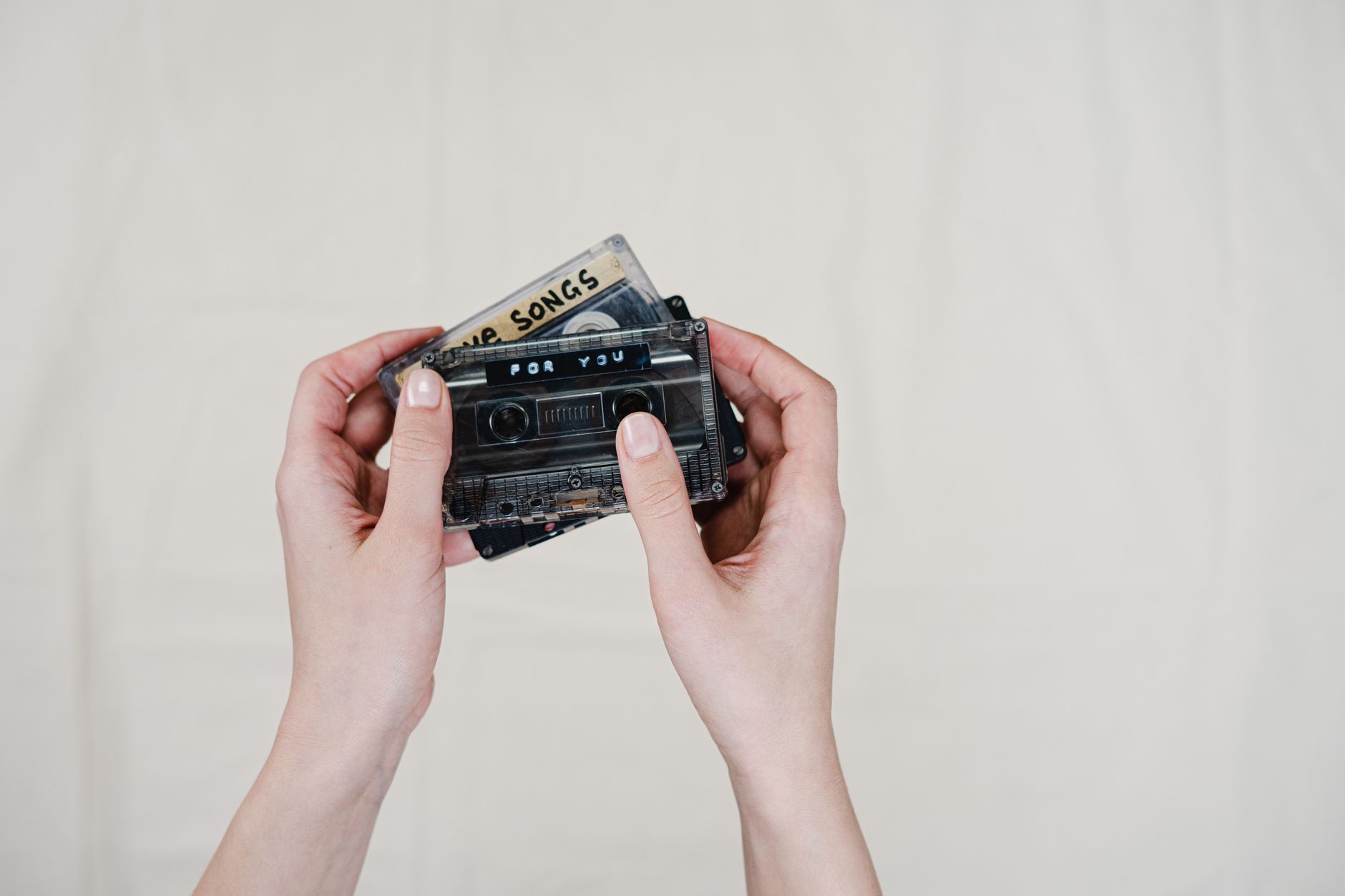
Tape-trading was the scene’s oldest network. Fans posted each other cassettes of demos and live recordings, with handwritten letters and fanzines to coordinate. Online spaces did not replace it overnight. They gave it a faster front end: wanted lists, trade offers and warnings about unreliable traders could now be posted in minutes rather than printed and posted.
The scale mattered less than the trust. Posting a rare demo to a stranger worked because forums built reputations. A regular with years of sensible posts was a safer trading partner than a name on a flyer. If you want the wider story of how music moved over the wires, our history of UK online music piracy covers the file-sharing era that eventually made tapes feel quaint.
Gig news and festival gossip
Gig listings were the practical heart of it. Magazines had long lead times, and venues rarely had websites worth the name. A forum thread titled something like “anyone going to Saturday’s show?” was often the fastest source of line-up changes, cancellations and honest opinions about sound quality.
Festival talk was louder still. Fans debated rumoured headliners, compared campsite experiences and swapped lifts. Some of those conversations grew into actual events, with fan-run weekenders organised by people who had met on a board. Anyone curious about what that involved beyond the enthusiasm should read a related article, how does a uk metal festival actually get licensed?, which explains the licensing process that stands between a good idea in a forum thread and a field full of people.
The obvious objection
The fair objection is that these spaces were small, male-dominated and often unwelcoming. That is true. Forum culture could be cliquey, and arguments over what counted as “proper” metal ran for years. Social media later reached far more people and, in many cases, a more varied crowd.
But reach and invention are different things. Newer platforms inherited the structures forums had tested: moderators, in-jokes, local sub-communities and the idea that a fan could be a publisher. Much of what looks like a social media innovation was a forum habit with a bigger audience.
Why the old boards matter now
The practical loss is the archive. Many boards vanished when their hosts closed or the volunteers moved on, and with them went years of gig reports and scene arguments that no magazine recorded. If you remember a forum you used, search for archived copies and save what you find. Local history of this kind rarely survives unless someone keeps it.
Frequently Asked Questions
What was Usenet and did metal fans use it?
Usenet was a worldwide discussion system that predated the web, organised into topic-based newsgroups. Music fans, including metal fans, used general and genre groups to swap news and opinions. In Britain, many first reached it through university or workplace accounts.
How did online tape-trading work?
Fans posted offers and wanted lists on forums or mailing lists, then agreed swaps by email. The recordings themselves still travelled by post on cassette. Reputation mattered, so regular posters with a good track record were trusted more.
Why did mailing lists come before forums?
Email was available to more people than web forum software was easy to run. A volunteer could start a list with little technical skill. As web hosting got cheaper in the 2000s, threaded forums offered a better way to follow conversations.
Did online metal communities organise real events?
Yes. Meet-ups, lift shares and group gig trips were common, and some fan communities went on to promote their own shows. Larger events involve legal requirements such as licensing, which are separate from the community building.
What happened to old UK metal forums?
Many closed when hosting lapsed, software became outdated or volunteers lost interest. Some survive in web archives, though coverage is patchy. Members often moved to social platforms, taking only part of the old conversation with them.