Author: Sophie Davies

  • When Forums Felt Like Small Towns: A History of Classic Message Boards

    When Forums Felt Like Small Towns: A History of Classic Message Boards

    If you want to understand early online community life, you have to walk through the history of classic message boards. Before timelines and algorithms, there were flat lists of threads, avatars the size of postage stamps, and moderators who felt more like village elders than platform staff.

    The history of classic message boards begins with dial-up echoes

    The story really starts with bulletin board systems, or BBSes. In the 1980s and early 1990s, these were often a single computer in someone’s spare room, connected to a phone line. You dialled in, one person at a time, and left messages in text-only forums. Every BBS had its own flavour: some were devoted to local clubs, others to roleplaying games or underground music. The etiquette was shaped by scarcity – phone lines and hard drives were limited – so users learned to be concise, respectful, and to clean up after themselves.

    As dial-up became more common and the web arrived, the BBS spirit moved into the browser. Early web forums looked plain, but they carried over that sense of a shared, finite space where everyone could see everyone else’s words. You could almost hear the modem squeal as new posts appeared.

    phpBB, vBulletin and the rise of the forum engine

    The late 1990s and early 2000s saw the tools of community building standardise. This is where the history of classic message boards becomes recognisable. Software like phpBB, vBulletin, Invision Power Board and SMF turned forums into modular, customisable towns. An admin could rent a bit of web hosting, upload some files, and suddenly they had a bustling square for fans of a band, a game, or an obscure hobby.

    These engines shared familiar landmarks: index pages listing categories, threads sorted by latest reply, user profiles with join dates and post counts, and private messages that felt like passing notes behind the scenes. Skins and themes gave each forum its own architectural style. Some were dark and moody, others pastel and friendly, but the floorplan was always similar enough that a seasoned forum-goer could navigate by instinct.

    Moderation in the age of village elders

    Moderation on these boards felt personal. At the top sat an administrator, often the founder, who paid the bills and set the rules. Below them, moderators patrolled individual sections. Their names glowed in different colours, and their tools were simple but powerful: move, merge, lock, delete, warn, ban.

    Unlike modern platforms, there was rarely a distant, faceless policy team. Rules were written in sticky threads, debated openly, and amended as the community grew. A moderator might step into a heated thread like a local constable, remind everyone to “attack ideas, not people”, and split arguments into a separate topic. Repeat troublemakers were not just usernames to be removed, but regulars whose absence would be noticed and discussed.

    Because these places felt small, reputation mattered. Users learned to quote properly, avoid derailing topics, and respect the “no politics” or “no spoilers” lines chalked on the virtual pavement. Infractions were often met with public explanations, which quietly taught newcomers how to behave.

    How message boards archived knowledge by accident

    One of the most remarkable parts of the history of classic message boards is how they became accidental libraries. Forums were built for conversation, not preservation, yet they ended up storing vast amounts of practical and cultural knowledge.

    Sticky threads acted like noticeboards: FAQs, guides, and “read this before posting” collections. Long-running “megathreads” documented years of troubleshooting, fan theories, and personal stories. Search functions were clunky, but dedicated users learned advanced tricks, using titles, prefixes and tags to make future retrieval easier.

    Over time, these message boards formed layered archives. Old posts were rarely deleted, only pushed further back in the pagination. Newcomers would arrive via a search engine, land in a ten-year-old thread, and tentatively reply, resurrecting it from the depths. Veterans would smile at the “thread necromancy”, then patiently answer again, often linking to the original guides they had written.

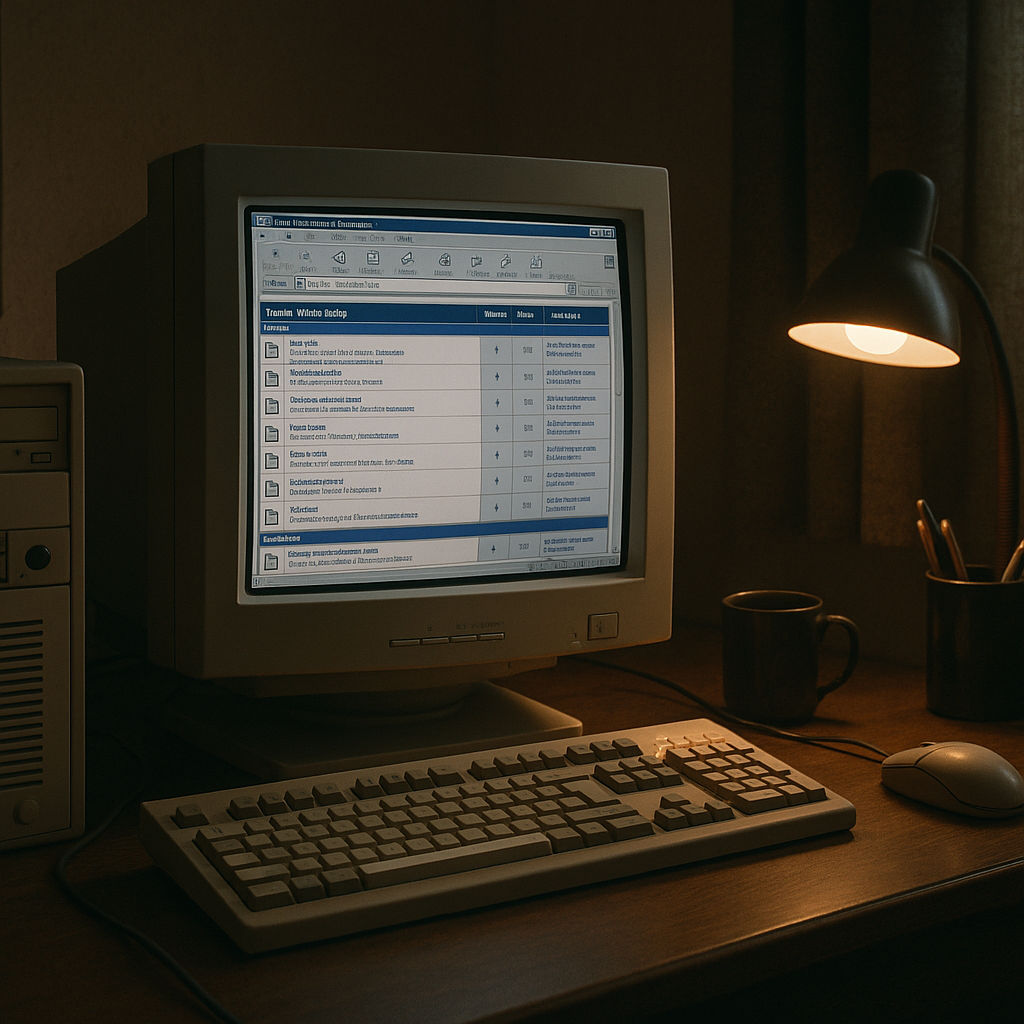
    People in an early internet cafe participating in the history of classic message boards
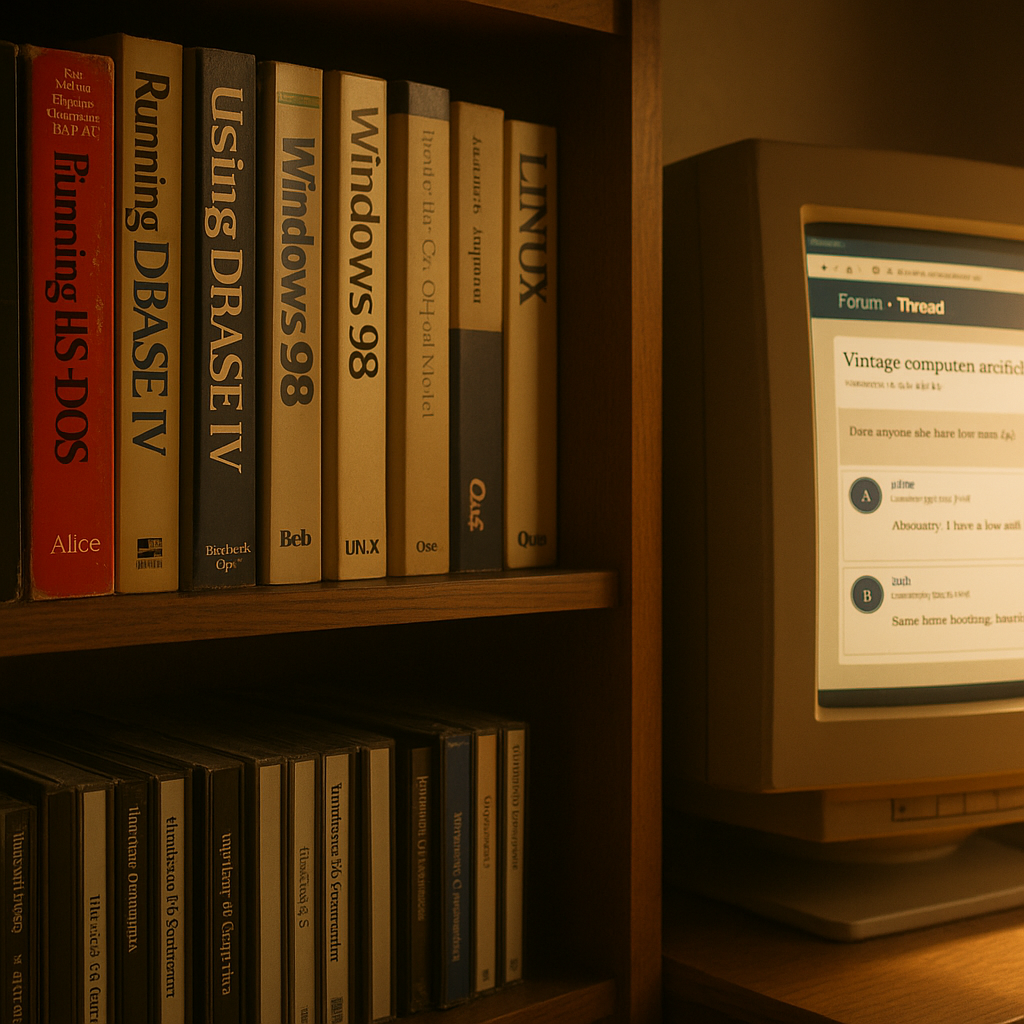
    Archival computer corner symbolising the preserved history of classic message boards

    History of classic message boards FAQs

    What were classic message boards used for?

    Classic message boards were used to create focused communities around shared interests, from games and music to programming and local clubs. People asked questions, shared guides, debated ideas and built long running friendships in public threads that anyone in the community could read and join.

    How did moderation work on early forums?

    Moderation on early forums was handled by administrators and volunteer moderators drawn from the community. They enforced written rules, moved or locked threads, issued warnings and bans, and often explained their decisions in public, which helped shape a shared sense of etiquette and acceptable behaviour.

    Why did many classic forums disappear?

    Many classic forums disappeared as social media and chat platforms drew activity away, leaving message boards quieter and harder to justify hosting. Some were shut down when their owners could no longer maintain them, while others simply faded, remaining online as quiet archives rather than active communities.

  • What Were Webrings? Storytelling The Early Social Web

    What Were Webrings? Storytelling The Early Social Web

    If you have ever wondered what were webrings, imagine a long, winding corridor of doors in an old digital library. Each door is a personal website, and on every door handle hangs the same small brass ring. Take hold of it and you are pulled gently to the next door, and the next, and the next. That ring was the webring – a quiet, hand made way of travelling the early web.

    What were webrings and how did they work?

    To understand what were webrings in practice, we have to return to the mid 1990s, when personal homepages bloomed on services like GeoCities and Tripod. Search was crude, directories were patchy, and finding like minded sites felt more like wandering a maze than browsing a catalogue. Webrings tried to solve this with a very simple device: a shared navigation box that linked a circle of related sites.

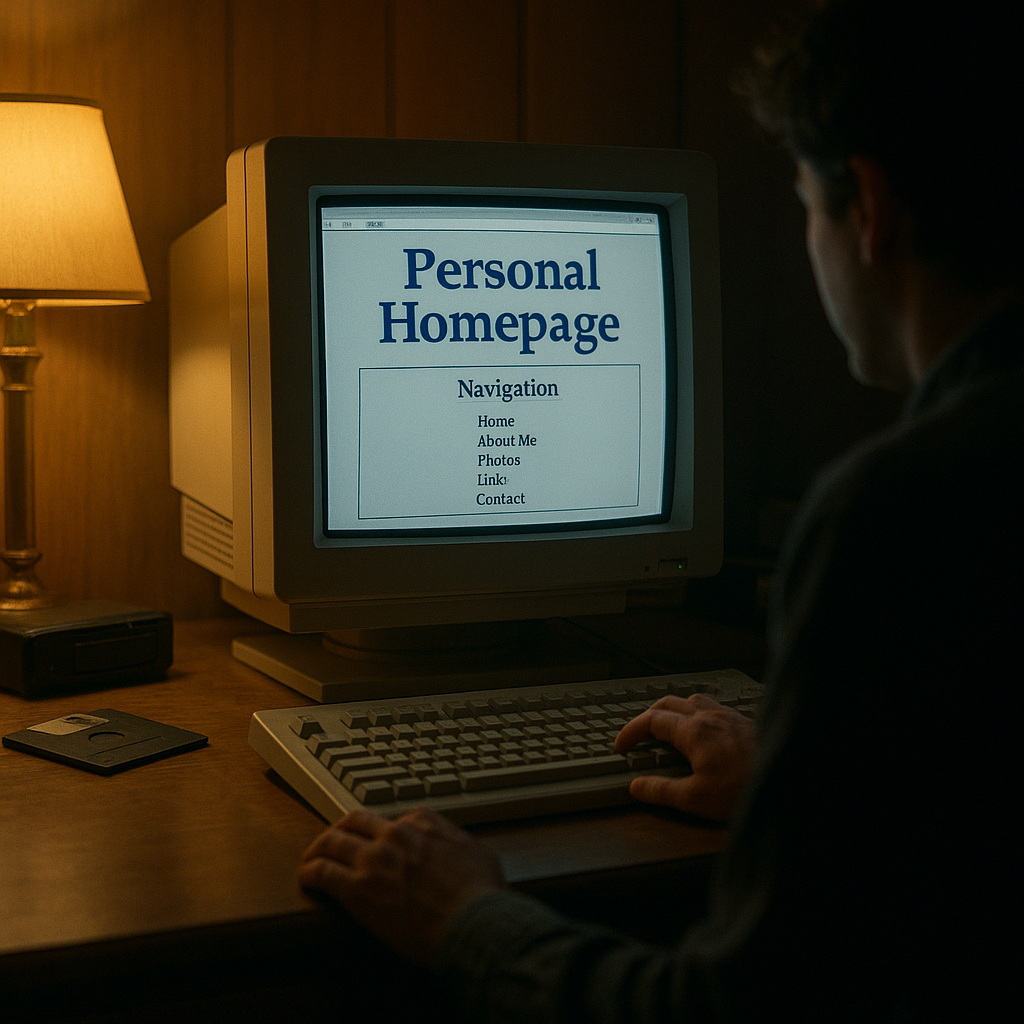
    A typical webring box sat at the bottom of a page, often in clashing colours and lovingly bad clip art. It held links like “Previous”, “Next”, “Random” and “List all sites”. Behind this sat a central index maintained by a volunteer “ringmaster”. When a webmaster joined, they added a small snippet of code that registered their site in the circle. Visitors could then step from one site to another, surfing a themed ring rather than the entire chaotic web.

    It was a modest piece of technology, but culturally it was a revelation. Instead of a faceless index deciding what you should see, human curators and communities shaped your journey. The ring was both map and story, written by its members.

    Themed webrings: fan fiction, sci fi and beyond

    Some of the richest stories of the early web are told through its themed rings. Fan fiction writers, for instance, relied heavily on webrings to stitch together their scattered tales. A reader might finish one amateur Star Trek story, tap “Next” in the ring, and land on another captain, another universe, hosted on an entirely different server. The ring held them all in a loose narrative chain.

    Science fiction webrings were particularly ambitious. Many were not just lists of sites but shared worlds. Authors hosted timelines, star maps and alien lexicons on their own pages, then used the ring to connect them into a kind of distributed universe. Following the ring felt like reading a sprawling, hyperlinked anthology that no single publisher controlled.

    Craft and hobby rings had their own flavour. Knitting, miniature painting, doll making and beadwork communities used rings to pass visitors along like a friendly recommendation. Each site had its own style of photography and layout, but the ring badge at the bottom whispered: you are among friends here, keep going.

    Early tech enthusiasts ran rings that now read like archaeological layers of the internet. There were rings for Linux how to pages, for Java applet collections, for home built robot projects. Each linked tutorial or download page was a small workshop in a larger, circular guild hall.

    Why webrings mattered before algorithmic feeds

    To grasp fully what were webrings in their time, we need to see them as a social technology rather than a mere navigation trick. Before personalised feeds and sophisticated search, discovery was either accidental or directory driven. Webrings offered a third path: peer to peer curation.

    First, they created trust. If you liked one site in a ring, you had reason to believe the next would be worth your time. The ringmaster’s standards and the shared theme acted as a quiet endorsement. This mattered when bandwidth was slow and clicking a link felt like a small investment.

    Second, they encouraged deep exploration. A modern feed drips content into your lap; a ring invited you to walk. You chose to press “Next”, to follow the circle another step. Many users describe losing evenings to a single ring, travelling through dozens of pages that felt like rooms in a collective house.

    Third, they made small sites visible. A new fan artist or hobbyist could join an established ring and immediately gain neighbours. Instead of shouting into the void, they were placed in a curated corridor where visitors were already wandering.

    Archivist studying printed screenshots of vintage sites arranged in a circle to understand what were webrings
    Group researching retro websites linked in a circular diagram to illustrate what were webrings

    What were webrings FAQs

    How did you join a webring in the early days of the web?

    Joining a webring usually meant applying through a small form on the ring’s central page. The ringmaster would review your site to check it matched the theme, then send you a snippet of HTML code containing the ring’s navigation box. You added this code to your homepage, often at the bottom. Once it was in place and working, the ringmaster activated your entry so visitors could move from your site to the next one in the circle.

    Why did webrings decline as the web grew?

    Webrings declined as large search engines and social platforms improved discovery. People grew used to typing a query into a search box or relying on centralised feeds rather than following themed circles. Maintaining rings also took time, and as members’ sites disappeared or moved, many rings broke. Some evolved into forums or mailing lists, while others simply faded as their volunteer maintainers drifted away from their old homepages.

    Can historians still use old webrings for research today?

    Yes, historians and librarians can still use old webrings as guides to past online communities. Archived ring indexes reveal how people grouped their interests, what terminology they used, and which topics inspired enough passion to sustain a ring. Even when many member sites are gone, the surviving records help researchers trace the outlines of fan cultures, hobby networks and early technology communities that shaped the social side of the early web.